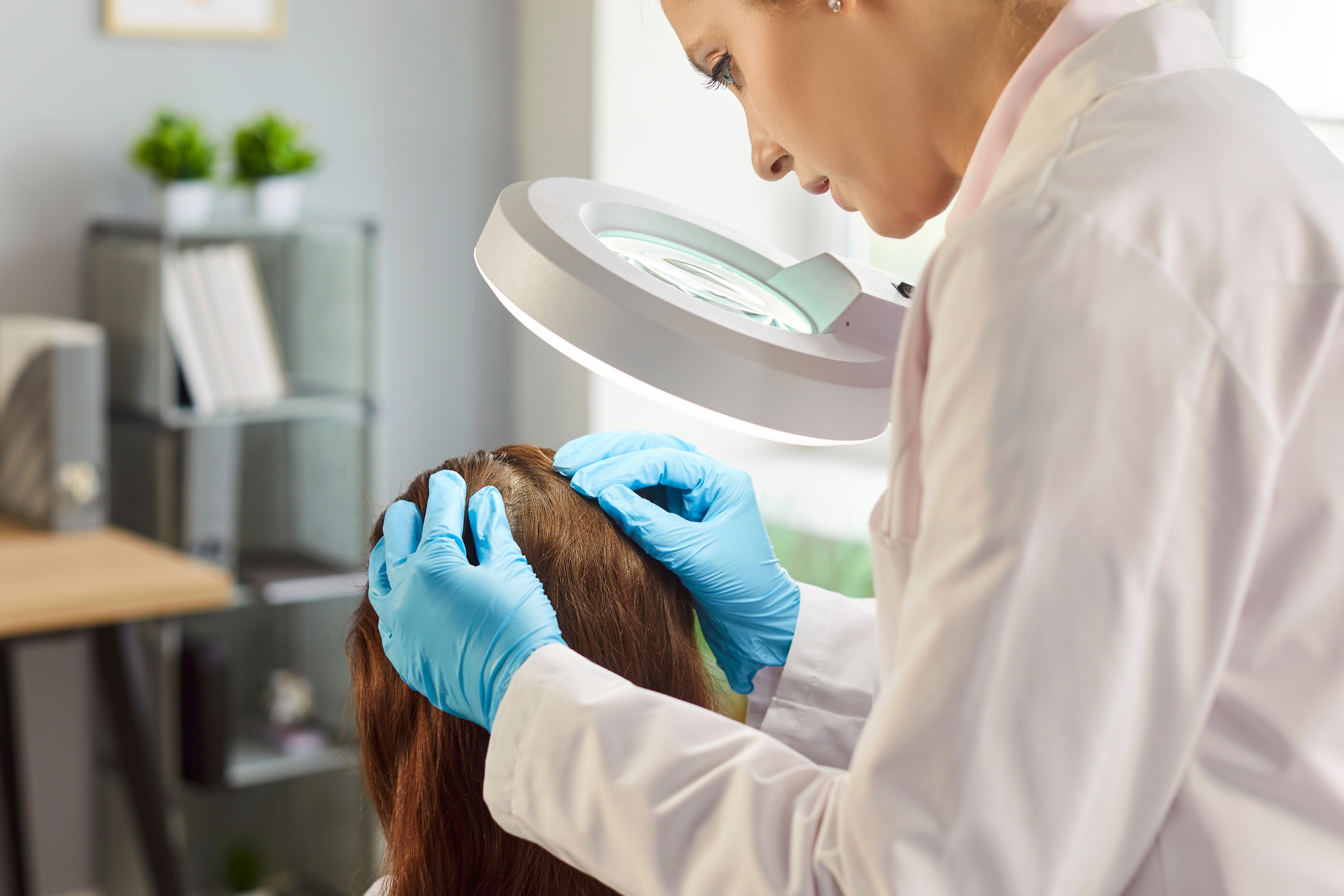
Female Hair Transplant In Turkey
Hair loss in women is far more common than most people realize — and far more emotionally significant than the conversation around it typically acknowledges. While male pattern baldness receives considerable cultural attention and a well-established range of treatment options, female hair loss is frequently underdiagnosed, undertreated, and discussed with a degree of sensitivity that sometimes prevents women from seeking the solutions that could genuinely transform their confidence and quality of life. Hair transplant surgery has emerged as one of the most effective long-term solutions for specific types of female hair loss — and Turkey has established itself as the world’s leading destination for this procedure, attracting tens of thousands of international patients every year through a combination of highly experienced surgical teams, modern facilities, competitive pricing, and treatment packages that handle the logistics of the entire medical journey. This guide covers everything a woman considering a hair transplant in Turkey genuinely needs to know — from whether the procedure is appropriate for female hair loss patterns to choosing a clinic, understanding the process, and managing realistic expectations for results.
Understanding Female Hair Loss and Whether a Transplant Is the Right Solution
Female hair loss is a significantly more complex medical picture than male pattern baldness — and this complexity is the starting point for any honest discussion of hair transplantation as a treatment option for women. While the majority of men who lose hair do so in predictable patterns driven by androgenetic alopecia — genetic sensitivity to the hormone dihydrotestosterone that produces the familiar receding hairline and crown thinning — women experience hair loss through a wider range of mechanisms that require different diagnostic and treatment approaches.
The most common form of female hair loss is female pattern hair loss — also called androgenetic alopecia in women — which typically presents as a diffuse thinning across the top of the scalp while the hairline remains relatively intact, rather than the localized bald patches that characterize male pattern loss. Other causes of significant female hair loss include traction alopecia — caused by prolonged tension on the hair follicles from tight hairstyles including braids, weaves, and ponytails — frontal fibrosing alopecia, alopecia areata, and hair loss secondary to thyroid disorders, iron deficiency, nutritional deficiencies, or hormonal changes associated with pregnancy, menopause, or the discontinuation of hormonal contraception.
The critical diagnostic distinction for hair transplant candidacy is between hair loss caused by permanent follicle damage or depletion and hair loss that is temporary, diffuse, or likely to continue progressing after surgery. Hair transplantation works by relocating healthy, genetically resistant hair follicles from a donor area — typically the back and sides of the scalp where follicles are less susceptible to the hormonal or mechanical factors causing loss — to areas of thinning or baldness. For this to produce lasting results, the donor follicles must be genuinely healthy and the underlying cause of loss in the recipient area must either be stable or specifically amenable to the transplant approach. Women with diffuse thinning across the entire scalp — including the donor area — may not have sufficient healthy donor follicles for an effective transplant, making thorough medical assessment before any commitment to surgery an absolute requirement.
Why Turkey Has Become the World’s Leading Hair Transplant Destination
Turkey’s emergence as the global capital of hair transplantation is not accidental — it is the product of specific historical, economic, and regulatory factors that have created an environment of concentrated expertise, high procedure volume, and competitive pricing that no other country has yet replicated at the same scale or quality level. Understanding why Turkey leads this particular medical tourism sector helps prospective patients evaluate the choice with informed confidence rather than simply following the volume of online recommendation without understanding its basis.
The concentration of hair transplant clinics and surgeons in Istanbul and other major Turkish cities — particularly in the Sisli and Besiktas districts of Istanbul that have become synonymous with medical tourism in this specialty — means that Turkish surgeons and their clinical teams perform hair transplant procedures at volumes that generate a depth of practical experience unmatched in most other countries. A surgeon performing several hundred hair transplant procedures per year develops a procedural fluency, a graft handling precision, and a pattern design instinct that surgeons performing dozens of procedures per year in markets with lower procedure volumes take significantly longer to accumulate. This volume-driven expertise concentration is the most substantive quality argument for Turkey as a destination — not simply that it is less expensive, but that the combination of cost and experienced volume genuinely provides competitive clinical quality.
The pricing advantage of Turkish hair transplant clinics relative to equivalent procedures in the United Kingdom, United States, and Western European markets is substantial and genuine — reflecting lower clinical labor costs, lower facility overhead, and the competitive pricing pressure of a densely concentrated specialist market rather than any compromise in the quality of the procedure performed. A female hair transplant that would cost between five thousand and fifteen thousand pounds in a London clinic can typically be performed by a comparably experienced Istanbul surgeon for between one thousand five hundred and four thousand pounds inclusive of the full treatment package — a difference that, combined with the cost of travel and accommodation, still represents a significant saving for most international patients. The all-inclusive package model adopted by most reputable Turkish hair transplant clinics — covering the procedure, pre-operative blood tests, post-operative medications, airport transfers, hotel accommodation, and follow-up consultation — simplifies the financial planning and logistical management of the medical journey considerably.
Hair Transplant Techniques Available for Women in Turkey
The technical approach to a female hair transplant differs in several important respects from the standard male procedure — reflecting the different hair loss patterns, the different donor area characteristics, and the different aesthetic priorities that female hair restoration involves. Understanding the main techniques available and their relative appropriateness for female patients helps prospective patients engage productively with the pre-operative consultation process rather than simply accepting whatever the clinic recommends without the context to evaluate the recommendation independently.
Follicular Unit Extraction — universally known as FUE — is the most widely used technique for hair transplantation globally and the dominant method used in Turkish clinics for both male and female patients. FUE involves the individual extraction of follicular units — naturally occurring groups of one to four hairs — directly from the donor area using a small circular punch instrument that creates a tiny wound at each extraction site. These individual follicular units are then implanted into the recipient area through small incisions made at the appropriate angle, depth, and density to replicate the natural growth pattern of the existing hair. The FUE technique leaves no linear scar in the donor area — an important advantage for women who prefer to keep their hair at a shorter length or who have donor areas that need to remain cosmetically presentable throughout the recovery period.
The DHI technique — Direct Hair Implantation — is an advanced variation of FUE that uses a specialized implantation pen called a Choi implanter to implant extracted follicular units directly into the scalp without the preliminary creation of recipient site incisions. This simultaneous extraction and implantation approach reduces the time follicular units spend outside the body before being placed, potentially improving graft survival rates, and allows the surgeon to control the angle and depth of implantation with greater precision than the standard FUE channel-and-place method. DHI is particularly well-regarded for the hairline design work that is especially important in female hair restoration — where the natural, soft irregularity of a female hairline requires more delicate and more precisely executed placement than the straighter, more uniform hairline design typical of male procedures. Many reputable Turkish clinics offer both FUE and DHI and will recommend the most appropriate technique based on the individual patient’s hair loss pattern, donor area characteristics, and aesthetic goals following pre-operative assessment.
Choosing a Safe and Reputable Turkish Hair Transplant Clinic
The Turkish hair transplant market — precisely because of its global popularity and commercial attractiveness — contains a significant range of quality from genuinely excellent clinics staffed by highly experienced, properly credentialed surgeons to less reputable operations that use non-physician technicians to perform surgical procedures, cut corners on sterilization standards, and prioritize throughput volume over individual patient outcomes. Navigating this quality range safely requires a specific set of due diligence practices that every prospective patient should apply rigorously before committing to any clinic or paying any deposit.
Surgeon credentials are the most important quality signal and the one most commonly obscured by the marketing communications of lower-quality Turkish clinics. In Turkey, hair transplantation is legally classified as a surgical procedure that must be performed by a licensed physician — but the specific medical specialization of the physician varies, and the degree of direct surgeon involvement in the procedure rather than delegation to technician teams varies even more significantly. The most reputable Turkish hair transplant clinics are led by surgeons who are board-certified in dermatology, plastic surgery, or reconstructive surgery — specializations with direct relevance to hair restoration work — and who are personally involved in the hairline design, the donor area assessment, and the critical placement stages of the procedure rather than supervising technicians who perform the majority of the surgical work. Asking directly and specifically which aspects of the procedure the lead surgeon will personally perform, and obtaining that commitment in writing before any payment is made, is a non-negotiable due diligence step that significantly reduces the risk of receiving a procedure performed primarily by non-physician staff.
International accreditation from recognized healthcare quality bodies — JCI accreditation being the most widely recognized global standard for hospital and clinic quality — provides independent verification that a facility meets defined standards of clinical care, infection control, patient safety protocols, and quality management that self-reported clinic marketing cannot substitute for. Checking patient reviews specifically from female patients — whose experience and results may differ from the more numerous male patient reviews — on independent platforms including Trustpilot, RealSelf, and dedicated medical tourism review communities provides insight into the consistency of outcomes and the quality of the patient experience across the clinic’s actual female patient population rather than its most favorable showcase cases.
Recovery, Results, and Realistic Expectations for Female Patients
Setting realistic expectations about the recovery process and the timeline for visible results is one of the most important conversations any prospective patient should have with their chosen clinic before surgery — and it is one that less reputable operators have a commercial incentive to handle with less than complete honesty. Understanding the genuine recovery and result timeline for female hair transplant patients prevents the anxiety and disappointment that arise when the post-operative experience does not match an unrealistically optimistic picture presented before surgery.
The immediate post-operative period involves predictable and manageable side effects that all hair transplant patients experience regardless of gender — some degree of scalp redness and tenderness in both the donor and recipient areas, minor swelling of the forehead that typically peaks around the third post-operative day before resolving, and small scabs forming around each implanted follicular unit that shed naturally over the first seven to fourteen days. The transplanted hair itself typically sheds within the first two to six weeks after surgery — a process called shock loss that alarms patients who are not adequately prepared for it but that is a normal and expected part of the follicle’s transition into a new growth cycle rather than a sign that the procedure has failed. Following this shedding phase, the transplanted follicles enter a dormant period before new hair growth begins — typically becoming visible at around the three to four month mark and continuing to develop in length, density, and texture through to the twelve to eighteen month point at which final results are fully assessable.
Female patients considering hair transplantation in Turkey should also understand the specific recovery considerations relevant to women returning to professional and social obligations after surgery. The donor area, depending on the extraction technique used and the extent of the procedure, may require a period during which the back and sides of the scalp are visible at shorter lengths than the patient’s normal styling — a consideration that patients with longer hair styles covering the donor area manage more easily than those whose donor area visibility is a cosmetic concern during recovery. Most patients can return to desk-based work within three to five days of surgery, resume gentle exercise within two weeks, and return to full normal activity including swimming and intensive exercise within four to six weeks — a recovery profile that, while requiring some planning around professional and personal commitments, is genuinely manageable for most patients with appropriate advance preparation.
Conclusion
A female hair transplant in Turkey represents one of the most practically accessible and most clinically effective options available to women experiencing permanent hair loss from suitable causes — combining the concentrated surgical expertise and competitive pricing of the world’s leading hair transplant destination with the life-changing confidence restoration that successful hair transplantation delivers. The key to a positive experience and outcome lies in the quality of the preparation — ensuring that the underlying cause of hair loss has been properly diagnosed and is genuinely amenable to surgical treatment, choosing a clinic whose surgeons hold appropriate credentials and whose standards of care have been independently verified, setting realistic expectations about the recovery timeline and the gradual progression of results, and approaching the medical journey with the same level of informed research that any significant health and beauty investment deserves. For women who meet the right clinical criteria and choose their clinic with genuine care, Turkey’s hair transplant expertise offers a genuinely transformative and increasingly accessible path to reclaiming the hair and the confidence that loss has taken.