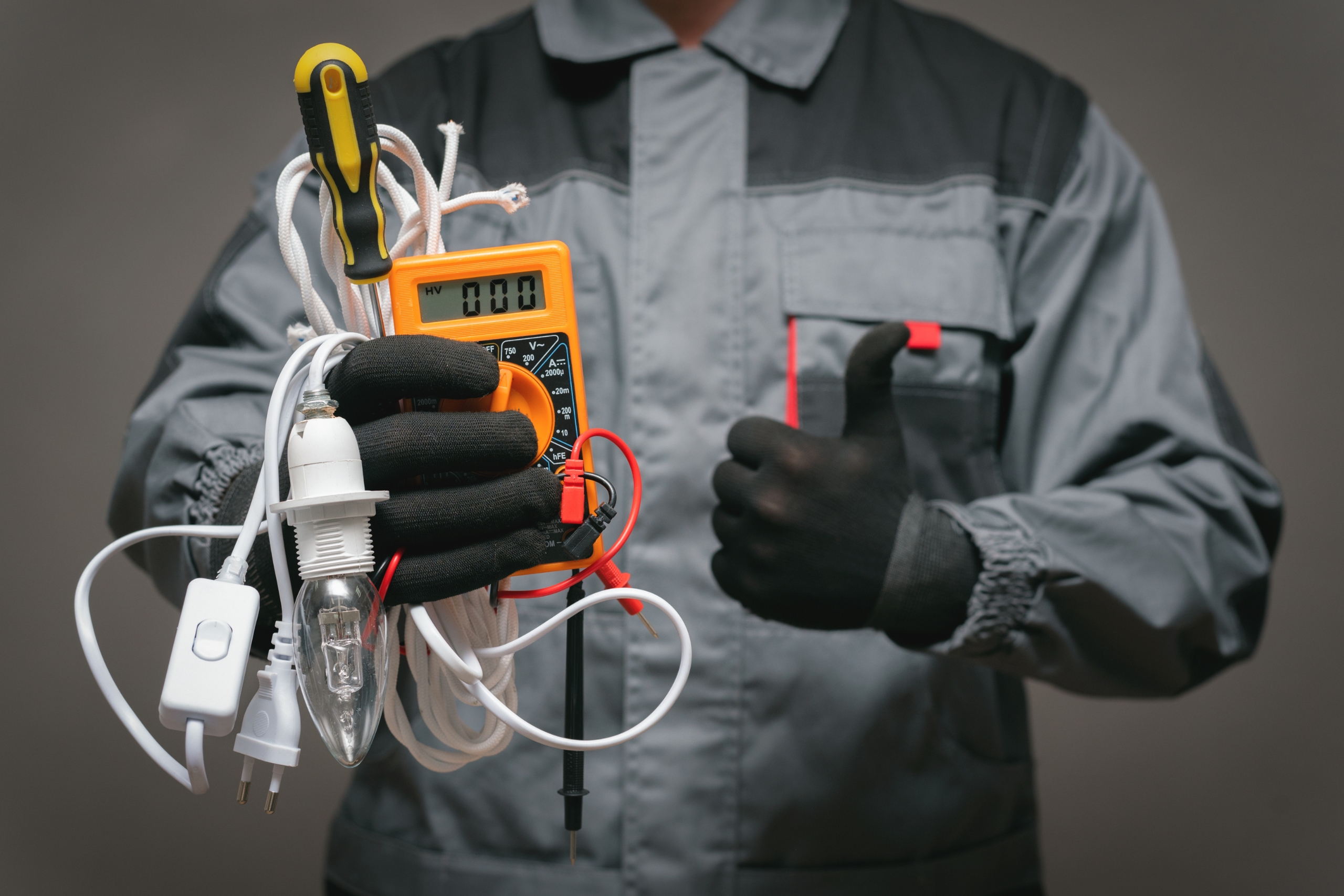
Why You Should Call A 24-Hour Emergency Electrician
Electrical emergencies do not announce themselves in advance or wait for convenient business hours. A burning smell from a wall socket at eleven on a Sunday night, a complete power failure in a home with young children during a winter storm, sparking at a fuse board after a circuit overload, or flickering lights accompanied by a persistent buzzing sound that was not there yesterday — these are situations that demand immediate professional attention, not a scheduled appointment three days later. Yet a surprising number of homeowners and business occupants hesitate to call a 24-hour emergency electrician, either because they underestimate the seriousness of the situation, worry about the cost of an out-of-hours call-out, or hope the problem will resolve itself overnight. This hesitation is understandable but consistently dangerous — electrical faults are the leading cause of house fires in most countries, and the window between a developing electrical problem and a catastrophic outcome is frequently far shorter than instinct suggests. This guide explains why calling a 24-hour emergency electrician is the right call, when it is genuinely necessary, and how to find one you can trust.
Recognizing the Electrical Situations That Cannot Wait Until Morning
The most important judgment call in any electrical emergency is determining whether the situation requires immediate professional intervention or whether it can safely wait for a standard business-hours appointment. Getting this wrong in either direction carries consequences — calling an emergency electrician for a non-urgent issue wastes money unnecessarily, while waiting on a genuine emergency creates fire, electrocution, and property damage risk that could have been entirely prevented. Understanding the specific warning signs that indicate a situation is genuinely urgent makes this distinction reliably and confidently.
Any electrical situation involving burning smells, smoke, or visible scorch marks on sockets, switches, or the consumer unit represents an immediate emergency that warrants calling a 24-hour electrician without delay. Burning smells from electrical installations indicate that insulation on wiring is overheating — a condition that can ignite surrounding building materials and transition from a contained electrical fault to a structural house fire within minutes under the right conditions. The instinctive response of many people to a burning electrical smell is to switch off the affected socket or appliance and monitor the situation — but this response addresses the symptom rather than the cause, because overheating wiring concealed within a wall cavity continues to generate heat even when the circuit appears switched off at the surface. A 24-hour emergency electrician can isolate the affected circuit at the consumer unit, use thermal imaging or diagnostic testing to identify the source of overheating, and make the installation safe before conditions deteriorate further.
Sparking at sockets, switches, or the consumer unit itself is another unambiguous emergency indicator — reflecting either a short circuit condition, a loose or deteriorating connection generating arc flash energy, or a catastrophic failure in a protective device that should have interrupted the fault before the sparking became visible. Complete and unexplained total power loss — where all circuits in a property lose power simultaneously without an obvious cause like an unpaid energy bill — can indicate a supply fault, a tripped main switch, or a more serious failure in the incoming supply or metering equipment that energy network operators need to be made aware of immediately. Any situation where power loss is accompanied by a burning smell, a loud bang, or a trip that cannot be reset should be treated as a 24-hour emergency call regardless of the time of day or night.
The Life-Safety Reasons That Make Waiting Genuinely Dangerous
Electrical faults kill and injure people, destroy homes, and cause financial losses that dwarf the cost of the emergency professional intervention that could have prevented them. This is not a statement designed to generate fear for commercial purposes — it is a factual characterization of what the statistics on electrical fire and electrocution consistently show, and understanding it concretely is the most honest way to frame the value of 24-hour emergency electrical services.
Electrical fires account for a significant proportion of all residential and commercial fire incidents — with the majority originating from faults in fixed wiring, consumer units, or permanently installed electrical equipment rather than from portable appliances. The characteristic feature of an electrical fire that makes it particularly dangerous is its ability to develop within concealed spaces — inside wall cavities, above ceiling plasterboard, and under floor coverings — for extended periods before breaking through to the visible surface of the room. By the time smoke is visible to an occupant, the fire may have been developing within the building fabric for a significant period, and the structural integrity and egress safety of the building may already be compromised. A 24-hour emergency electrician called at the first sign of an electrical fault — the burning smell, the warm switch plate, the circuit that trips repeatedly under normal load — can intervene at the developing fault stage rather than the established fire stage, which is the intervention point that genuinely saves lives and properties rather than simply limiting the damage once the worst has already begun.
Electrocution risk from live electrical faults in a domestic environment is a second life-safety dimension that the urgency of 24-hour emergency electrical response directly addresses. Water ingress into electrical installations — from a burst pipe, a roof leak, or a bathroom overflow — creates immediate electrocution hazard in spaces that occupants may enter without awareness of the risk. Damaged or exposed live wiring — in a socket that has been pulled from the wall, in a light fitting that has dropped, or in a cable that has been accidentally damaged during DIY activity — presents a direct contact hazard that cannot be made safe by switching off at the affected switch alone. A 24-hour emergency electrician has both the training to safely isolate live hazards and the equipment to verify that a circuit or installation is genuinely de-energized before approaching it — capabilities that protect both the occupants and the electrician in a way that any non-professional intervention cannot match.
What a 24-Hour Emergency Electrician Can Do That Standard Call-Outs Cannot
The value of a 24-hour emergency electrician extends beyond simple availability at unsocial hours — it encompasses a specific operational readiness and diagnostic capability that differentiates emergency electrical response from a standard booked appointment in ways that directly affect the outcome for the person experiencing the emergency.
A genuine 24-hour emergency electrician arrives equipped and prepared to diagnose and make safe a wide range of fault conditions at the time of attendance rather than making an initial assessment visit and returning with parts and equipment at a later appointment. The vehicle stock of an emergency electrician includes the circuit breakers, residual current devices, cable sections, connection accessories, and consumer unit components that cover the most commonly encountered emergency fault scenarios — allowing the attending engineer to complete the isolation, repair, and restoration of supply within a single visit rather than leaving the property in a made-safe but non-functional condition while awaiting materials. For households where a complete power outage affects heating, refrigeration, security systems, and medical equipment, this single-visit resolution capability is not a minor convenience — it is a significant determinant of the overall disruption and welfare impact of the emergency event.
Fault diagnosis under emergency conditions requires a combination of technical competence, practical experience, and diagnostic equipment that separates genuine emergency electricians from less qualified operators who describe themselves using the same terminology. Modern fault diagnosis uses insulation resistance testing to identify wiring degradation, earth loop impedance testing to verify protective device operation, RCD testing to confirm residual current device functionality, and thermal imaging to identify hot spots in electrical installations that visual inspection alone cannot locate. An emergency electrician who attends a property and proceeds entirely on visual inspection and assumption rather than systematic testing is providing a lower quality of emergency response than one who applies diagnostic instruments to build an evidence-based picture of the fault before committing to a repair approach. The quality of the diagnosis directly determines the quality of the fix — and the fix that addresses the root cause rather than the visible symptom is the one that prevents the emergency from recurring.
Finding a Trustworthy 24-Hour Emergency Electrician Before You Need One
The worst moment to begin researching 24-hour emergency electricians is during an active emergency — when the combination of stress, time pressure, and genuine concern about safety and property creates exactly the conditions under which poor decisions about contractor selection are made. The household that has identified and stored the contact details of a trusted, properly qualified 24-hour emergency electrician before an emergency occurs is better protected not just practically but financially — because the established relationship and the pre-knowledge of the contractor’s qualifications removes the vulnerability to overcharging and unqualified work that emergency situations regularly expose.
Scheme registration is the non-negotiable baseline quality check for any electrician and the one that applies with equal force to 24-hour emergency operators as to standard contractors. In the United Kingdom, registration with NICEIC, NAPIT, or Elecsa provides verified assurance that an electrician is qualified to the required standard, carries appropriate insurance, and has accepted the quality obligations of the relevant competent person scheme. The registers of all three organizations are publicly searchable online and allow any homeowner to verify a specific electrician’s registration status within minutes. An emergency electrician who cannot provide a current scheme registration number or who becomes evasive when asked for one should not be engaged regardless of their availability or their quoted price — because the absence of registered status means the absence of the quality assurance, insurance protection, and certification capability that legitimate electrical work requires.
Transparent emergency call-out pricing — clearly communicated at the time of the initial phone call rather than presented as a surprise on the invoice — is the commercial practice that distinguishes reputable 24-hour emergency electricians from operators who exploit emergency pricing vulnerability. A trustworthy operator will state their call-out fee, their standard hourly labor rate for out-of-hours work, and any minimum charge that applies to emergency attendance before dispatching an engineer — giving the caller the information needed to make an informed decision about proceeding. In the trade services sector specifically, emergency electrical pricing that reflects the genuine premium of 24-hour availability and immediate response is entirely reasonable and expected — but pricing that takes advantage of the perceived captive nature of an emergency caller to impose charges dramatically in excess of any reasonable emergency rate is a predatory practice that consumer protection regulations address and that documented evidence of allows regulatory complaint to be made after the fact.
Preparing Your Home and Household for Electrical Emergencies
The most empowering thing any homeowner or tenant can do in relation to electrical emergencies is to take a small number of preparatory steps that significantly reduce both the likelihood of emergencies occurring and the vulnerability of the household when they do. This preparation does not require technical expertise — it requires only the willingness to invest thirty minutes in understanding the electrical basics of the specific property and in establishing the practical resources that make an emergency response faster and more effective.
Knowing where the main electrical consumer unit is located and understanding its basic operation is the single most important piece of household electrical knowledge any occupant can have. The consumer unit — the fuse board — contains the circuit breakers and residual current devices that protect individual circuits throughout the property, and the ability to identify which breaker controls which circuit, how to reset a tripped breaker correctly, and how to isolate the entire electrical installation at the main switch if a serious fault develops are capabilities that directly affect safety outcomes in the first minutes of an electrical emergency before professional help arrives. Labeling the circuit breakers clearly — if they are not already labeled — is a thirty-second task that pays dividends in every subsequent electrical situation the household encounters.
Checking that working smoke alarms are installed in appropriate locations throughout the property — including in or near bedrooms, at the top of stairways, and in hallways — and testing them monthly is the fire safety practice most directly connected to electrical fire risk mitigation. The combination of early smoke detection and the 24-hour emergency electrician contact number stored in every household member’s phone creates a preparedness posture that addresses both the prevention and the response dimensions of electrical emergency management. No preparation eliminates the possibility of an electrical emergency occurring — but the household that has taken these steps navigates the experience with a clarity, confidence, and speed of professional engagement that the unprepared household consistently lacks at precisely the moment when those qualities matter most.
Conclusion
Calling a 24-hour emergency electrician when an electrical situation warrants it is not an overreaction — it is the proportionate, informed, and genuinely responsible response to a category of household emergency that carries life and property risk that no amount of monitoring, hoping, or temporary workaround can safely contain. The burning smell, the sparking socket, the unexplained power loss, the circuit that will not stay reset — these are not situations to sleep on or to manage with masking tape and optimism. They are situations that a qualified, registered, properly equipped 24-hour emergency electrician is specifically trained and operationally prepared to resolve safely, permanently, and with the documented certification that protects both the property and its occupants going forward. Finding and trusting the right emergency electrician before the emergency happens is the preparation that transforms a potentially catastrophic event into a managed and resolved one — and that is the standard of household readiness that every home and every family genuinely deserves.