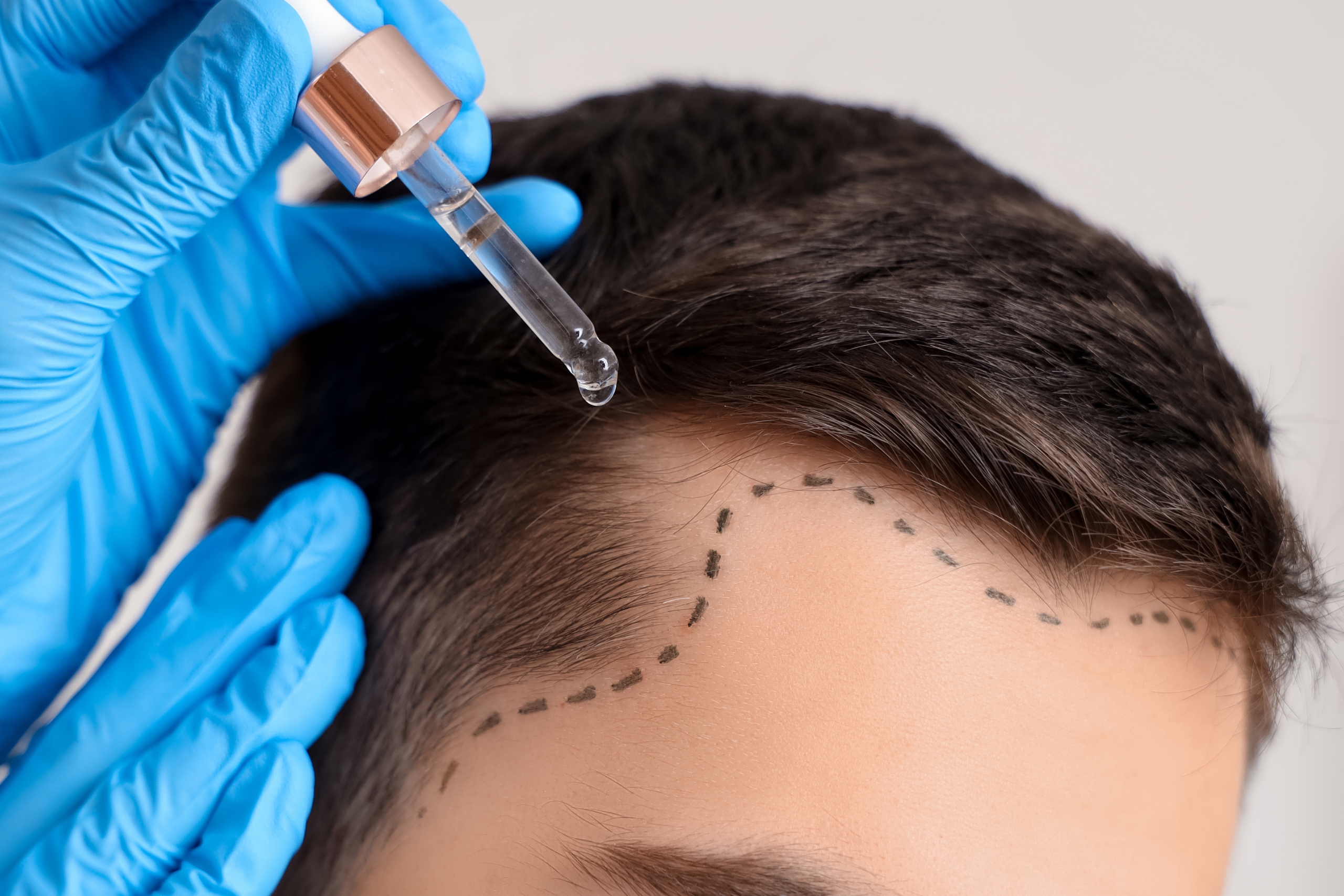
Is Turkiye Good For Hair Transplant?
The question gets asked every single day by thousands of people researching hair loss solutions online — is Turkey actually good for hair transplants, or has its reputation been built more on clever marketing than on genuine clinical excellence? It is a fair and important question, and it deserves a genuinely honest answer rather than the uniformly promotional response that most hair transplant clinic websites and medical tourism platforms predictably provide. The short answer is yes — Turkey has legitimately earned its position as the world’s leading hair transplant destination through a specific combination of surgical experience, procedure volume, competitive pricing, and continuously improving facility standards that no other country currently replicates at equivalent scale. But the longer and more useful answer acknowledges that Turkey’s reputation as a hair transplant destination is not uniformly deserved across every clinic operating within it, and that the difference between an outstanding experience and a deeply disappointing one frequently comes down to the choices made before boarding the plane. This guide provides the complete, balanced picture.
How Turkey Built Its Reputation as the Hair Transplant Capital of the World
Turkey’s rise to global dominance in hair transplantation did not happen overnight — it was the product of a deliberate convergence of factors that developed over more than two decades and that together created an ecosystem of hair transplant expertise, infrastructure, and pricing competitiveness that other countries have consistently struggled to replicate. Understanding how this reputation was built is the foundation for evaluating whether it is genuinely deserved.
The story begins in the early 2000s when a small number of forward-thinking Turkish surgeons recognized that advances in follicular unit extraction technology — the FUE technique that extracts individual hair follicles rather than strips of scalp tissue — were creating a new category of minimally invasive, scar-free hair restoration surgery with broad international appeal. These early adopters invested heavily in learning the technique, training their teams, and building clinics specifically optimized for high-quality FUE delivery at a cost structure that reflected Turkey’s lower clinical labor costs without compromising on equipment quality or surgical standards. The results attracted international patients, those patients shared their experiences online, and the combination of positive word-of-mouth and the cost advantage over Western European and North American alternatives drove a self-reinforcing cycle of growing international demand and growing local expertise.
By the 2010s, Istanbul had become the undisputed global center of hair transplant activity — with hundreds of clinics concentrated in specific districts of the city, a generation of highly experienced surgeons who had now performed thousands of procedures each, and a supporting infrastructure of medical tourism agencies, patient coordination services, and specialist accommodation that made the logistical experience of traveling to Turkey for a hair transplant increasingly seamless. The annual volume of hair transplant procedures performed in Turkey is now estimated in the hundreds of thousands — a figure that not only reflects the scale of the destination’s popularity but that generates the depth of procedural experience at clinic and surgeon level that is genuinely one of the most compelling quality arguments for choosing Turkey over lower-volume alternatives. A surgeon who performs five hundred procedures per year for a decade develops a clinical intuition, a hairline design sensitivity, and a technical execution fluency that cannot be acquired at any lower volume — and Turkey’s dominant market position ensures that its most experienced practitioners are operating at this elite level of practical expertise.
The Real Advantages That Make Turkey a Legitimate Choice
Setting aside the marketing narrative, there are genuine, substantive advantages to choosing Turkey for a hair transplant that hold up to honest scrutiny and that directly benefit patients who make the journey with appropriate preparation and realistic expectations.
The cost advantage is real and significant — but it requires careful framing to be understood correctly. A hair transplant at a reputable, experienced Turkish clinic costs approximately sixty to eighty percent less than an equivalent procedure at a comparably qualified surgeon’s clinic in the United Kingdom, United States, or Germany. This is not because the procedure is of lower quality — it reflects the genuine difference in clinical labor costs, facility overhead, and competitive market pricing that Turkey’s economic structure and concentrated market create. An all-inclusive package from a well-regarded Istanbul clinic — covering the procedure itself, pre-operative blood tests, post-operative medications, multiple nights of hotel accommodation, airport transfers, and follow-up consultation — typically costs between one thousand five hundred and four thousand pounds for a standard procedure, compared to five thousand to fifteen thousand pounds for equivalent work in a London clinic. For patients making an informed, well-researched choice from a position of full knowledge, this cost difference represents genuine value rather than a compromise on quality.
The depth of surgical experience concentrated in Turkey’s leading clinics is arguably the most substantive advantage and the one that deserves the most prominent acknowledgment in any honest assessment. The volume of procedures performed annually by Turkey’s established hair transplant surgeons — combined with the diversity of cases they encounter, spanning every hair type, every loss pattern, and every degree of severity — produces a clinical breadth and depth of expertise that surgeons in lower-volume markets simply cannot accumulate at the same pace. The hairline design work that determines the aesthetic success of any hair transplant procedure — the naturalness of the frontal hairline, the density distribution across the recipient area, the angle and direction of implanted follicles — benefits enormously from this experience concentration, and patients who choose Turkey’s most experienced surgeons are genuinely accessing world-class expertise rather than accepting a cost-driven compromise.
The Honest Risks and Challenges of Hair Transplants in Turkey
An article that presented Turkey as uniformly excellent for hair transplants without acknowledging the genuine risks and challenges that exist within the market would be doing prospective patients a significant disservice — because the same factors that have created Turkey’s legitimate strengths have also created a market environment with specific vulnerabilities that unprepared patients encounter with damaging regularity.
The most significant risk is the quality variation between Turkish clinics — which is wider than in most other medical contexts precisely because the market’s growth and commercial success have attracted operators whose primary motivation is volume and profit rather than clinical excellence. The existence of clinic operations that use non-physician technicians to perform the majority of the surgical procedure while a nominally responsible surgeon signs off on the work without genuine direct involvement is a well-documented problem in the Turkish hair transplant market. In these operations — sometimes described as hair transplant mills — the patient may meet a surgeon briefly during consultation but have the actual extraction and implantation performed by technicians whose training, skill level, and regulatory oversight is significantly lower than that of the qualified physician the clinic’s marketing featured. The outcomes from these operations are inconsistent — sometimes acceptable, sometimes significantly below the standard a properly supervised physician-performed procedure delivers — and the patient who selected the clinic based on competitive pricing and attractive before-and-after photographs on social media had no reliable mechanism to distinguish it from a genuinely high-quality operation before the procedure revealed the difference.
Medical tourism coordination services — agencies and brokers that earn commissions from clinics for directing patients to their services — add another layer of commercial pressure to the patient selection process that can work against the patient’s interests when the agency’s recommended clinic is chosen on the basis of commission relationship rather than genuine quality assessment. Not all medical tourism coordinators operate this way — some provide genuinely independent advice grounded in knowledge of the Turkish clinic market — but the commission-driven dynamic is prevalent enough to warrant explicit awareness. Patients who use coordination services should ask directly whether the service earns commissions from the clinics it recommends, what criteria it uses to evaluate and select those clinics, and what recourse exists if the outcome of a recommended procedure is unsatisfactory. These are reasonable questions that a genuinely trustworthy coordination service will answer directly and transparently.
How to Choose the Right Turkish Clinic With Confidence
The quality variation that exists in the Turkish hair transplant market is a navigable problem rather than a reason to avoid the destination — because the distinguishing characteristics of genuinely high-quality clinics are identifiable through specific, verifiable due diligence that any prospective patient can conduct before making any commitment or payment.
Surgeon credentials are the primary quality signal — and verifying them requires going beyond the clinic’s own marketing materials to check the surgeon’s specific medical qualifications, their registered specialization, their professional membership of recognized surgical societies, and their personal track record of published outcomes and patient testimonials. Turkish hair transplant surgeons with board certification in dermatology, plastic surgery, or reconstructive surgery — and membership of organizations like the International Society of Hair Restoration Surgery — bring a verifiable professional standard to their work that clinic marketing cannot substitute for. Asking specifically which components of the procedure the lead surgeon will personally perform and obtaining written confirmation of this before any payment is made provides the protection against technician-heavy procedures that the market’s commission dynamics make necessary.
Clinic accreditation from recognized international bodies — Joint Commission International accreditation being the most globally respected standard — provides independent verification of facility quality, infection control standards, patient safety protocols, and clinical governance that self-reported clinic quality claims cannot match. Requesting evidence of the clinic’s JCI accreditation status or equivalent national health ministry authorization directly and checking it against the accrediting body’s official records is a verification step that takes minimal time but that significantly reduces the risk of engaging a facility whose standards are not what its marketing suggests. Consulting genuinely independent patient communities — established forums and social media groups where real patients share their experiences and photographs without commercial motivation — provides the most unfiltered view available of a specific clinic’s consistent real-world performance rather than the curated showcase that every clinic’s own marketing represents.
What Results and Aftercare Actually Look Like for Patients Who Choose Turkey
Understanding what the complete patient experience of a Turkish hair transplant looks like from the day of procedure through to final results — including the aspects that surprises patients who were not adequately prepared — is the practical context that transforms good clinic selection into a genuinely rewarding overall experience.
The procedure day at a reputable Turkish clinic is typically a full-day experience — beginning with pre-operative consultation and blood test review, moving through the donor area preparation and local anesthetic administration, the extraction phase where follicular units are harvested from the donor area, a lunch break, and then the recipient site creation and implantation phase that concludes the procedure. Total procedure time depends on the number of grafts being transplanted — a typical session of two thousand to three thousand grafts takes approximately six to eight hours from preparation to completion. The procedure is performed under local anesthesia that makes the process comfortable if not entirely sensation-free, and reputable clinics manage the patient’s experience throughout with the attentiveness and communication quality that distinguishes professional medical care from a production-line approach.
The post-operative period requires specific care and discipline that patients who are traveling home within days of their procedure need to manage with particular attention. Most reputable Turkish clinics provide a detailed aftercare protocol covering how to sleep in the first days after surgery to protect grafts, when and how to begin the prescribed washing routine, which activities to avoid during the healing period, and what normal post-operative progression looks like versus what would warrant contacting the clinic. The shock loss of transplanted hair that occurs within the first two to six weeks is a predictable and normal part of the healing process — but it is one that patients who were not clearly briefed about it find alarming. Full results develop progressively over twelve to eighteen months, with meaningful growth visible from around three to four months post-procedure and final density and texture fully established at the twelve to eighteen month assessment point. For health and beauty outcomes as personally significant as hair restoration, the patience required to see this timeline through to its conclusion is as important as any decision made before the procedure itself.
Conclusion
Turkey is genuinely good for hair transplants — but the accuracy of that statement depends entirely on the quality of the specific clinic and surgeon chosen within it. The country’s legitimate advantages — world-class surgical expertise born from unmatched procedure volume, a cost structure that makes excellent results accessible at a fraction of Western European pricing, and a continuously improving clinical infrastructure serving an enormous international patient community — make it a genuinely compelling choice for anyone experiencing hair loss that is suitable for surgical treatment. The risks that exist in the market are real but navigable through specific, verifiable due diligence — surgeon credential verification, independent accreditation checking, genuinely unfiltered patient community research, and the non-negotiable confirmation of direct surgeon involvement in the procedure itself. Patients who approach Turkey with this level of preparation, realistic expectations about the recovery timeline, and a commitment to following post-operative care instructions consistently report outcomes that justify the journey entirely — and that is, ultimately, the most honest answer the question deserves.